
Is cuteness an aesthetic or more of a kitsch?
There are things that are actually cute, like puppies, but the cuteness and "demand for cuteness" forced by people is perhaps closer to the pop cultural kitsch factor.
Where did this demand come from among the Japanese (think of the kawaii mania), or was it encoded into the new generation by the media?
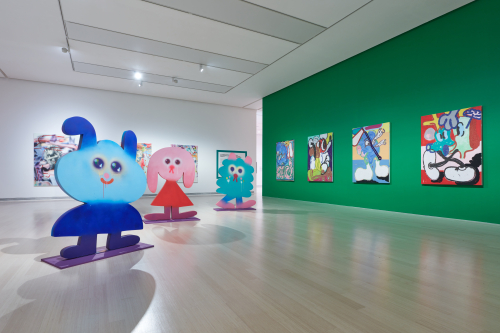
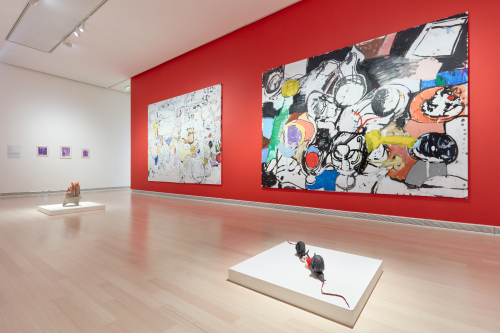
“The Ludwig Museum's latest temporary exhibition explores the theme of cuteness, a current phenomenon in contemporary fine art that is generating increasing professional interest.
Nowadays, we can witness the universality and widespread presence of cuteness. In addition to social media posts, emojis, and gifs, this type of aesthetic is reflected in a multitude of logos, advertisements, and anthropomorphized objects.
What is the reason for its continued popularity? What social processes or crises does its increased presence reveal? How does contemporary fine art relate to this visual phenomenon, and what opportunities or dangers does it hold for it?
The aesthetics of cuteness also influences contemporary artists, thanks to the large amount of visual, mainly digital, content in constant circulation.
The exhibition titled The Cuteness Factor is the first large-scale presentation of the topic in Hungary and the region, which aims to explore and understand a globally present visual and theoretical phenomenon. A total of 32 artists from 14 countries participate in the selection.” – the exhibition description in Ludwig Museum according to its website.
Some of the exhibited works seem to mock cuteness, but in any case, some of the works were less appealing to us.
The museum is trying very hard to popularize the topic and the exhibition, and they even hold regular free guided tours.
The exhibition can still be viewed until November 12, 2023.


 EN
 HU